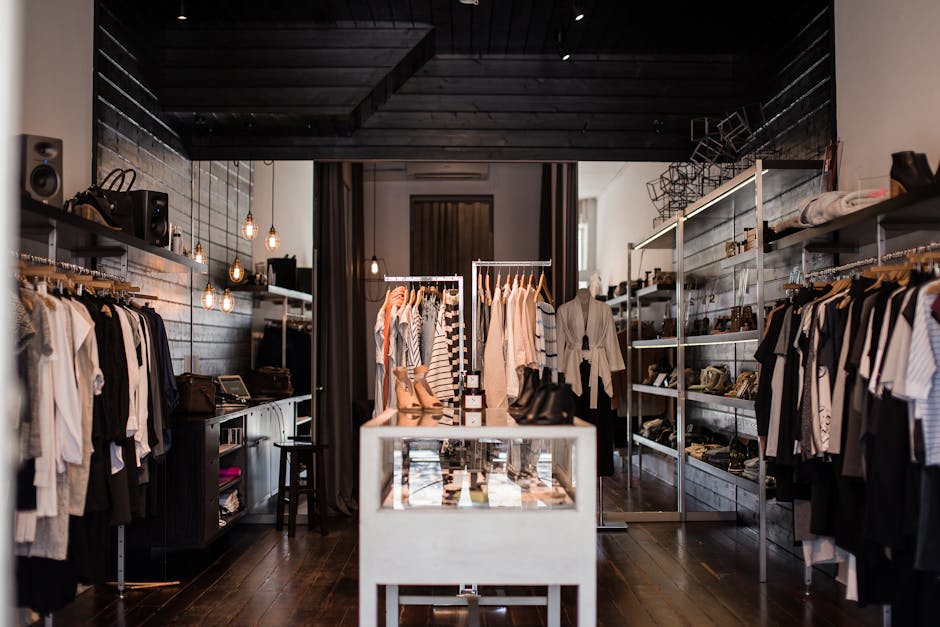
Chueca is the most enjoyable district in central Madrid to shop in, and the reason is density. Within about ten minutes’ walk you have a three-floor food market, the city’s designer shoe-outlet street, a run of independent boutiques, a pioneering LGBTQ+ bookshop, and enough cafés to break the day up properly.
It’s also the district where Madrid’s shopping is most obviously changing. Augusto Figueroa is still the shoe street, but its biggest draw is now a food market. That tension between what Chueca was and what it’s becoming is worth understanding before you go.
Table of Contents
- Chueca Shopping Madrid: District Overview
- How Chueca became a shopping district
- Best Chueca Shopping Madrid Streets
- Augusto Figueroa: still the shoe street?
- Top Chueca Shopping Madrid Stores
- Mercado de San Antón Gourmet Shopping
- Design and Concept Stores
- Books and specialist shops
- Chueca Shopping Madrid Hours
- A note on prices
- Rebajas and tax-free shopping
- Combine Chueca Shopping with Cultural Stops
- Chueca vs. Malasaña Shopping
- Insider Tips for Chueca Shopping Madrid
- FAQs
- Plan Your Visit
Chueca Shopping Madrid: District Overview
Chueca sits between Gran Vía to the south, Fuencarral to the west and Alonso Martínez to the north, centred on the square that gives it its name — Plaza de Chueca, officially Plaza de Pedro Zerolo since 2015, after the LGBTQ+ activist and city councillor.
The neighbourhood’s transformation from a run-down quarter in the 1980s into one of Europe’s best-known gay districts is also the story of its retail. Businesses opened because a community was there to support them, rents were low, and the units — like Malasaña’s — were small enough to make an independent shop viable. The result is a district that has genuine independent retail rather than a chain rollout, though the chains have arrived on its edges.
Metro Chueca on line 5 puts you in the middle of it. Gran Vía on lines 1 and 5 and Alonso Martínez on lines 4, 5 and 10 work for the southern and northern edges.
How Chueca Became A Shopping District
Chueca’s retail didn’t arrive by planning decision, and understanding how it happened explains what you find there now.
Through the 1970s and into the 1980s this was one of the more neglected parts of central Madrid — cheap rents, a serious drug problem, buildings in poor repair. From the late 1980s a gay community established itself here precisely because the rents were low and the authorities weren’t paying much attention, and businesses followed: bars first, then bookshops, then clothing.
Berkana, still trading on Hortaleza, is the clearest surviving marker of that phase. It opened as Spain’s pioneering LGBTQ+ bookshop when that was a genuinely bold commercial proposition rather than a market segment, and it is the reason a fair number of people first came to the neighbourhood at all.
The shoe trade on Augusto Figueroa has a more prosaic origin. Madrid’s footwear wholesalers and warehouses were historically concentrated around here, and as the wholesale business declined the premises converted to outlet retail, selling display and end-of-season stock directly. That’s why the street’s shops feel like stockrooms rather than boutiques, and why sizing is hit-and-miss — you’re buying from what’s left rather than from a full range.
Both strands are now under the same pressure. Chueca has become one of the most desirable addresses in central Madrid, rents have risen accordingly, and the district has visibly more polish and fewer oddities than it did fifteen years ago. Some of that is improvement. Some of it is the familiar sequence in which a neighbourhood becomes interesting, becomes fashionable, and then becomes expensive enough to price out the people who made it interesting. Shopping here in 2026 means seeing a district mid-transition.
Best Chueca Shopping Madrid Streets
Calle de Augusto Figueroa is the one to know — historically the shoe street, and still where the past-season designer footwear outlets cluster. It also holds Mercado de San Antón at number 24.
Calle de Hortaleza runs north–south through the district and is the broadest mix: homeware, sustainable fashion, the historic bookshop, and a good number of bars.
Calle de Pelayo is quieter and more design-led, with galleries and small studios alongside the nightlife venues that make it busy after dark.
Calle de Gravina and Calle de Libertad both run off the main square and hold a scatter of gourmet, streetwear and specialist shops.
Calle de Fuencarral forms the western boundary and is the pedestrianised chain strip shared with Malasaña — Zara, Bershka, El Ganso at numbers 2 and 20, Scalpers at 53. Convenient for mainstream Spanish high street, not what Chueca is for.
Augusto Figueroa: Still the Shoe Street?
Yes — with a caveat worth stating plainly, because most guides give you one answer or the other and both are half right.
Madrid’s city tourism board still describes the shops along and around Augusto Figueroa as selling display shoes from past seasons at attractive prices, and that remains accurate. If you want Spanish and Italian designer footwear at outlet rates, this is the street, and the model is straightforward: shops take end-of-season and display stock and sell it at a substantial discount. Sizing availability is luck of the draw, which is the trade-off.
The caveat is that the street has diversified a great deal. Local press now runs headlines to the effect of “Augusto Figueroa: much more than shoes”, and the honest position is that its single biggest draw today is the food market at number 24 rather than the footwear. There are fewer shoe shops than there were fifteen years ago.
Named footwear shops on the street include Suite JC at number 16, AMBAR at number 25, Mime Shoes at number 29, and Zapaterías Estellés, which handles past-season designer outlet stock. Come expecting a handful of good shoe shops and a very good market, rather than a whole street of footwear.
Top Chueca Shopping Madrid Stores
Como una Marmota, Calle Hortaleza 57 — bedding, home textiles and sleepwear, and the shop in the district with the most reliably confirmed hours: Monday to Saturday 11:00 to 20:30. Genuinely good quality, and a more interesting souvenir than most.
Ecoalf, Calle Hortaleza 116 — the Madrid-founded sustainable label that makes outerwear from recycled ocean plastic, under the slogan “Because there is no Planet B”. It’s the most internationally recognised Spanish sustainable brand and it started here. Also at Goya 76 and Preciados 3.
La Chinata Oleoteca, Calle Gravina 10 — olive oil, gourmet products and olive-oil cosmetics. The most practical place in the district to buy edible gifts.
Dirty Pop, Calle Gravina 1 unit 2, does streetwear and pop-culture pieces. Mad is Mad at Calle Pelayo 48 is a contemporary art gallery that also sells design objects and prints — the best bet in Chueca for something to hang on a wall.
For Spanish designer fashion, the district holds boutiques from Ana Locking and Devota & Lomba, both established Spanish names, and Maison Mesa, Juan Carlos Mesa’s first central Madrid boutique.
Mercado de San Antón Gourmet Shopping
Calle de Augusto Figueroa 24. Metro Chueca, line 5. Telephone +34 913 300 730. Rebuilt in 2011 on the site of the original market and refurbished again in 2021–22, it’s the anchor of shopping in Chueca and the obvious place to eat mid-afternoon.
It works over three distinct floors, and knowing which is which saves you wandering:
- First floor — fresh produce and tapas. This is the actual market: La charcutería de Octavio for cured meats, Pescadería Roble de Mar for fish, Pollería Alian for poultry, Bodegón Vinos & Gourmet for wine, plus El Bar de San Antón, Bella’s Bakery and Paellitas. Stalls run Monday to Saturday from 09:30 to 21:30.
- Second floor — prepared food. Around ten show-cooking and takeaway stalls spanning Spanish, Asian and Italian: La Taberna de La Ancha, La Casa del Bacalao, Nem Nem, Fish Corner, Gustoo, Socarratxos and Durummania. Open daily noon to midnight, which makes it one of the more useful late-afternoon eating options in the centre.
- Third floor — the rooftop. A restaurant terrace, currently 11 Nudos Terraza Nordés, specialising in Atlantic seafood, open daily 13:00 to 01:00.
One honest note on hours: the market’s own site and the city tourism board give slightly different figures — the tourism board says the first floor runs 10:00 to 22:00, for instance. Where they conflict I’d trust the market, and in any case the market itself states explicitly that hours vary by individual stall. Don’t arrive at 21:00 expecting a full fishmonger.
For shopping rather than eating, the first floor is the one that matters. It’s a real neighbourhood market rather than a tapas theme park, which is more than can be said for Mercado de San Miguel over by Plaza Mayor.
Design and Concept Stores
Chueca’s design retail is more polished and more expensive than Malasaña’s, which is the clearest practical difference between the two districts. Mad is Mad on Pelayo 48 is the anchor — gallery, prints and objects. Como una Marmota on Hortaleza 57 covers textiles properly. La Chinata on Gravina 10 handles the gourmet end.
What you won’t find much of here is second-hand. If vintage is what you’re after, cross Fuencarral into Malasaña — that’s a five-minute walk and a completely different offer.
Books and Specialist Shops
Berkana on Calle Hortaleza is the pioneering LGBTQ+ bookshop in Spain and a genuine piece of the neighbourhood’s history rather than a novelty — it opened when this kind of shop was a statement, and it’s still trading. Worth going in whether or not you buy.
Panta Rhei specialises in comics and illustrated books and is one of the better-designed bookshops in the city. A Punto combines a cookbook shop with a cooking school, which is a genuinely good idea and a good place to buy a Spanish cookbook in English.
Chueca Shopping Madrid Hours
The general pattern: independent shops open around 10:00 or 11:00 and run to about 20:30 or 21:00. Como una Marmota’s 11:00 to 20:30 is representative. Smaller and older businesses are more likely to close for a midday break; shops aimed at a younger crowd increasingly don’t.
Sundays: most independent shops close, though Madrid permits Sunday retail in designated central zones so the Fuencarral chains generally open. Mercado de San Antón’s second floor and rooftop open daily, which makes Sunday a reasonable day for the market and a poor one for the boutiques.
Mondays are quieter and some independents open late. Tuesday to Saturday is the reliable window.
August warning. This is Chueca’s slowest month. A number of businesses run reduced summer hours or close for a fortnight, and the district is noticeably emptier than in June or September. If you’re shopping here in August, check individual shops rather than assuming.
A Note on Prices
Being honest about a limitation: independent Madrid shops do not publish prices, and most shopping guides that give you neat price ranges are inventing them. Across Chueca and Malasaña together, the only figures I could verify from primary sources were at two shops, both in Malasaña.
What I can say with confidence: Chueca is more expensive than Malasaña. The shoe outlets on Augusto Figueroa are the district’s best value, because the whole model is discounted end-of-season stock. The concept stores and designer boutiques are at full independent-retail prices. Mercado de San Antón’s first floor is priced as a working neighbourhood market, while its second floor and rooftop are priced for visitors.
Rebajas and Tax-Free Shopping
Sale dates are not fixed by law in Spain, and haven’t been since the 2012 retail liberalisation — each retailer sets its own. Customarily, winter rebajas began 7 January in 2026 (some chains online on the 6th) and ran to somewhere between late February and early April; summer rebajas nominally start 1 July, though much of the sector moves in the last week of June, running through August. The shoe outlets on Augusto Figueroa are worth timing for the sales, since discounts stack on already-reduced stock.
VAT refunds for non-EU residents: Spain has no minimum spend — the old €90.15 threshold was abolished, so any amount qualifies. You need to be habitually resident outside the EU, buying for personal use, from a shop issuing a DIVA form. Ask before paying, because not every small shop participates.
Goods must leave for your home country within three months, and forms must be validated before the end of the third month following purchase, as you exit the EU. At Barajas you scan the barcode at a DIVA terminal near customs — with the goods in your hand luggage, not checked in. If you leave Spain without completing that step the refund cannot be recovered afterwards. Operators include Global Blue, Planet and Innova Tax Free; Planet has a downtown lounge at Claudio Coello 113, and El Corte Inglés refunds in store.
Combine Chueca Shopping with Cultural Stops
Museo Arqueológico Nacional is a ten-minute walk east and costs €3 — Iberian, Roman, Visigothic and Islamic Spain, including the Lady of Elche. Tuesday to Saturday 09:30 to 20:00, Sunday to 15:00, closed every Monday, and free on Saturday afternoons from 14:00 and Sunday mornings.
Museo del Romanticismo sits on the northern edge of the district and is exactly the right scale for an hour between shops.
Sociedad General de Autores on Calle Fernando VI is the finest Art Nouveau building in Madrid — you can’t go in, but it’s a two-minute detour and genuinely startling on a street of otherwise ordinary façades.
For a drink afterwards, Café Acuarela at Gravina 10 is the neighbourhood’s long-standing café, open daily 14:00 to 03:00. Boyberry at Valverde 3 is one of very few Chueca venues that actually publishes prices — beers and soft drinks from €5.30, mixed drinks from €8.50 — open from noon most days. For something more historic, Bodega de la Ardosa at Colón 13, just over the Malasaña line, does vermouth on tap.
Chueca vs. Malasaña Shopping
They share a border — Calle Fuencarral — and complement each other well enough that doing both in one day is the obvious move.
- Vintage and second-hand — Malasaña, decisively. Four established shops around Calle Velarde including a by-the-kilo one. Chueca has almost none.
- Shoes — Chueca, on Augusto Figueroa, for past-season designer stock at outlet prices.
- Food shopping — Chueca, for Mercado de San Antón’s first floor.
- Design and concept stores — both, with Malasaña’s on the Correderas cheaper and scruffier, Chueca’s more polished and pricier.
- Spanish designer fashion — Chueca, for Ana Locking, Devota & Lomba and Maison Mesa.
- Records — neither, strictly. The good record shops are in Callao, Conde Duque and Lavapiés.
- Books — Chueca, for Berkana, Panta Rhei and A Punto.
- Price level — Malasaña is cheaper.
A sensible full day: Malasaña vintage in the late morning, lunch at Mercado de San Antón, Chueca boutiques and Augusto Figueroa in the afternoon, a drink on Plaza de Pedro Zerolo at the end.
Insider Tips for Chueca Shopping Madrid
Do the shoes before the market. Augusto Figueroa’s outlets rely on you finding your size in limited stock, which needs patience — do it before lunch rather than after.
Use San Antón’s second floor as your reset. Open noon to midnight daily, which covers the gap when boutiques close and restaurants haven’t opened.
Come Tuesday to Saturday. Sunday shuts most independents; Monday is unreliable.
Avoid August if you can. It’s the district’s quietest month and several shops close or shorten hours.
Ask about DIVA before paying if you’re claiming VAT back, and keep purchases in your hand luggage on the way home.
Cross Fuencarral. Two districts, five minutes apart, completely different offers. Treating them as one shopping area is the right approach.
Don’t expect Pride in late summer. Madrid’s MADO runs late June into the first days of July, with the main march on the first Saturday of July. It’s the district’s biggest event by a wide margin and there’s no secondary edition later in the year.
FAQs
What is Chueca known for shopping-wise? Designer shoe outlets on Augusto Figueroa, independent boutiques, concept and design stores, gourmet food at Mercado de San Antón, and specialist bookshops including Berkana.
Is Augusto Figueroa still the shoe street? Yes, but with fewer shoe shops than it once had, and its biggest draw now is the food market at number 24. Suite JC at 16, AMBAR at 25, Mime Shoes at 29 and Zapaterías Estellés are the ones to look for.
Is Mercado de San Antón open? Yes. First floor Monday to Saturday from 09:30, second floor daily noon to midnight, rooftop daily 13:00 to 01:00 — though hours vary by individual stall.
Are Chueca shops open on Sunday? Most independents close. The Fuencarral chains usually open, and the market’s upper floors run daily.
Chueca or Malasaña? Chueca for shoes, boutiques, food and books; Malasaña for vintage. They’re five minutes apart — do both, with lunch at San Antón in between.
How expensive is shopping in Chueca? More expensive than Malasaña, less than Salamanca. The Augusto Figueroa shoe outlets are the best value in the district; the concept stores are at full independent prices.
Can I get a VAT refund? Yes if you live outside the EU, with no minimum spend. The shop must issue a DIVA form and you validate it at an airport terminal with the goods in your carry-on.
Which Metro station is best? Chueca on line 5 puts you in the centre of the district. Gran Vía or Alonso Martínez work for the southern and northern edges.
Plan Your Visit
Arrive at Metro Chueca mid-morning on a weekday, do Augusto Figueroa’s shoe shops first while you have patience for hunting sizes, eat at Mercado de San Antón, then work Hortaleza and Pelayo in the afternoon. Cross Fuencarral into Malasaña if you want vintage, and finish with a drink on Plaza de Pedro Zerolo.
For more, see our Madrid shopping guide, shopping in Malasaña, Spanish fashion brands worth buying, the VAT refund guide and the rebajas calendar. For the neighbourhood beyond its shops, see our Chueca guide and our overview of Madrid’s barrios.