A City That Never Stops Celebrating
Madrid lives for its festivals. From ancient religious processions to one of Europe’s largest Pride celebrations, from traditional chotis dancing in May to spectacular Christmas light displays in December, the Spanish capital maintains a festival calendar that ensures there is always something extraordinary happening. Understanding Madrid’s events calendar is not just about knowing what is on — it is about understanding the soul of the city. These celebrations reveal what Madrileños value: community, tradition, art, food, and above all, the simple pleasure of being together in public spaces.
This comprehensive guide covers every major festival and event throughout the year, with practical information on dates, locations, and how to make the most of each celebration. Whether you are planning your trip around a specific event or simply want to know what is happening during your visit, this calendar will help you experience Madrid at its most vibrant.
January: New Beginnings and Three Kings
Cabalgata de Reyes (Three Kings Parade) — January 5
While much of the Western world has packed away its Christmas decorations by January 5, Spain is just reaching the climax of its holiday season. The Cabalgata de Reyes is the most anticipated event of the Spanish Christmas — the night when Gaspar, Melchior, and Balthazar ride through Madrid on elaborate floats, throwing sweets to the crowds. In Spain, it is the Three Kings who traditionally bring gifts to children on January 6 (Día de Reyes), not Santa Claus on December 25.
Madrid’s parade is the grandest in Spain. The main procession starts at Parque del Buen Retiro around 6:30 PM and winds through the city center to Plaza de Cibeles, taking approximately two hours. Over 1,500 performers, dozens of floats, and live music create a spectacle that draws hundreds of thousands of spectators. The best viewing spots are along Calle de Alcalá and Paseo del Prado, but arrive at least two hours early for a good position. The night is capped with a traditional Roscón de Reyes — a ring-shaped cake with a figurine hidden inside.
Madrid Fusión — Late January
Madrid Fusión is one of the world’s most prestigious gastronomy summits, attracting Michelin-starred chefs from across the globe. While the main conference is industry-focused, the event generates a citywide buzz with special menus, pop-up restaurants, and food events. Many of Madrid’s top restaurants offer special tasting menus during the week of Madrid Fusión, making it an excellent time for food-focused visitors.
February: Carnival and Culture
Carnaval de Madrid — February (Variable Dates)
Madrid’s Carnival celebrations are more modest than those in Cádiz or Tenerife, but they bring genuine fun to the streets. The festivities typically span a week before Lent, with the main events concentrated on the weekend. The Paseo de la Castellana hosts a parade with floats, costumes, and music. In the neighborhoods of La Latina and Lavapiés, you will find smaller, more creative street parties with satirical and artistic costumes.
The traditional closing ceremony — the Entierro de la Sardina (Burial of the Sardine) — takes place on Ash Wednesday. This mock funeral procession through La Latina symbolizes the end of excess before Lent, with participants dressed in mourning carrying a sardine effigy to its burial. The tradition dates to the 18th century and was immortalized by Goya in a painting that now hangs in the Real Academia de Bellas Artes.
ARCO Madrid — February
ARCO is Spain’s premier international contemporary art fair, held at IFEMA convention center. Running since 1982, it attracts over 200 galleries from 30+ countries and is a highlight of the European art calendar. Even if you do not attend the fair itself (tickets around €40), the surrounding “Gallery Week” events transform Madrid’s art scene, with special exhibitions, openings, and events across the city’s museums and galleries. Many institutions extend their hours and offer special programming during ARCO week.
March – April: Holy Week and Spring Awakening
Semana Santa (Holy Week) — March/April (Variable)
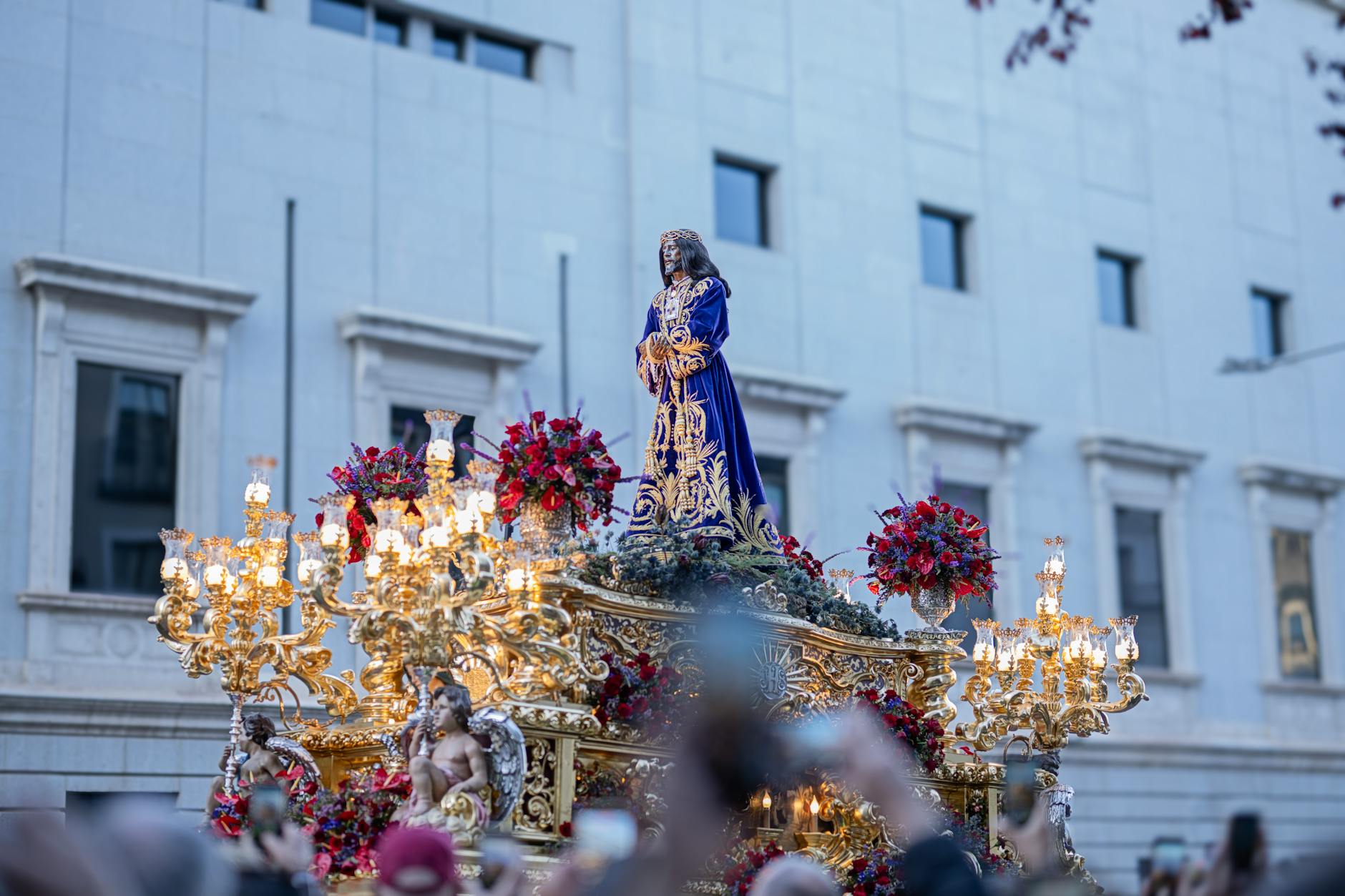
While Seville and Málaga host Spain’s most famous Holy Week processions, Madrid’s celebrations have their own dignity and drama. Religious brotherhoods (cofradías) carry elaborate floats (pasos) bearing sculptures of Christ and the Virgin through the streets of the historic center. The most impressive processions take place on Holy Thursday and Good Friday, passing through Sol, Plaza Mayor, and along the Calle Mayor.
The atmosphere is solemn and powerful — the sound of drums, the swaying of candles, the weight of centuries of tradition. Key processions to watch include the Procesión de Jesús el Pobre from the Iglesia de San Pedro el Viejo and the Procesión del Silencio on Good Friday night. Holy Week also means special seasonal foods: torrijas (Spanish-style French toast soaked in honey and wine) appear in bakeries and restaurants throughout the city.
May: San Isidro — Madrid’s Greatest Festival
Fiestas de San Isidro — May 8–17
San Isidro is Madrid’s defining festival — a week-long celebration of the city’s patron saint that transforms every neighborhood into a party. San Isidro Labrador (Saint Isidore the Laborer) was a humble 12th-century farm worker whose life became inseparable from the mythology of Madrid itself. The festival that bears his name is the most authentically Madrileño event of the year.
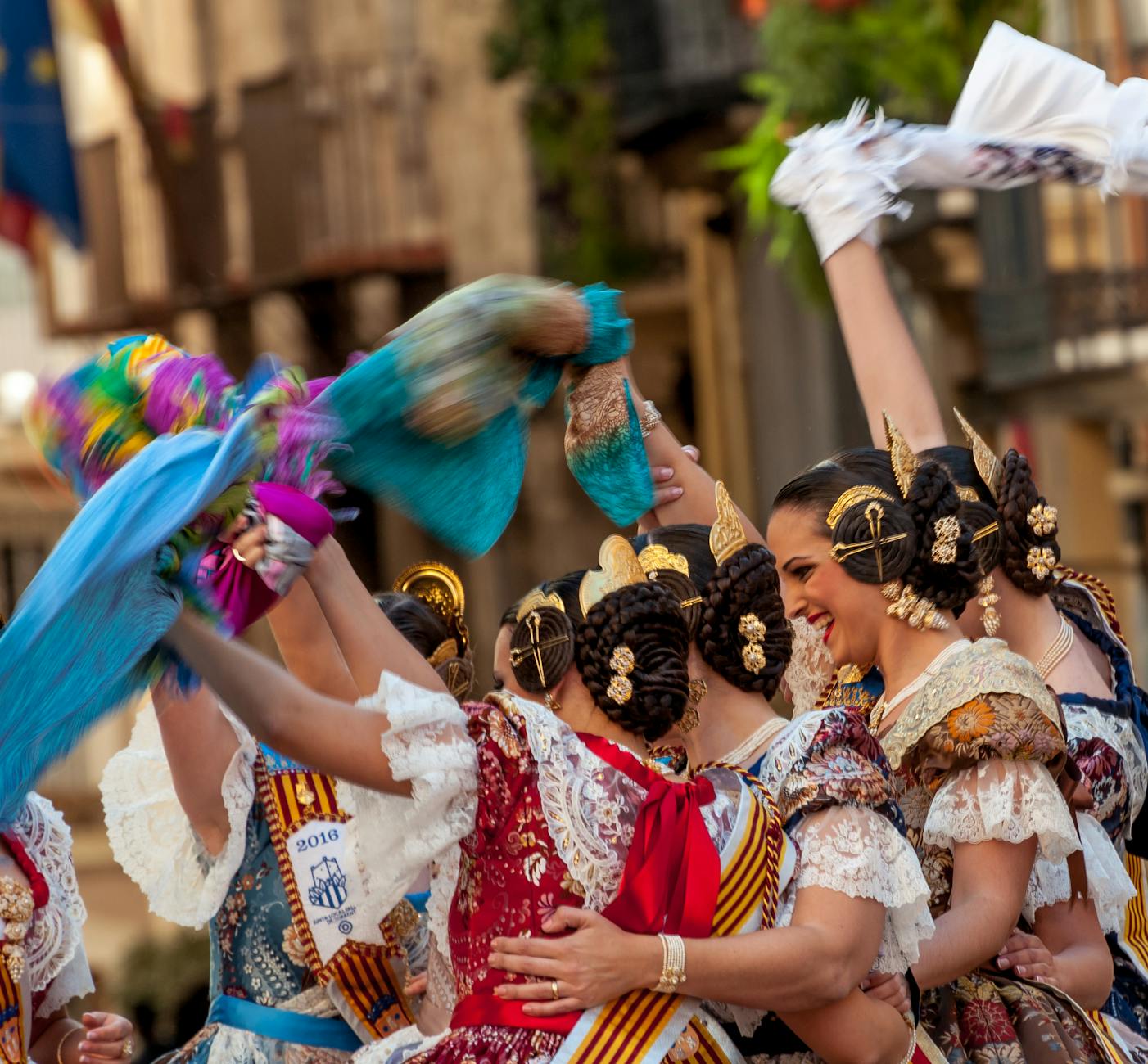
The heart of San Isidro is the Pradera de San Isidro — a meadow near the Ermita de San Isidro on the banks of the Manzanares River. On May 15 (the saint’s feast day), thousands of Madrileños gather here for picnics, wearing traditional chulapo and chulapa costumes — the iconic checked caps, waistcoats, and polka-dot headscarves that define Madrid’s traditional dress. They eat rosquillas (ring-shaped donuts that come in four varieties: tontas, listas, francesas, and de Santa Clara) and drink lemonade from clay jugs.
The festival fills the entire city with activity. Free concerts at Las Vistillas park offer panoramic views of the Casa de Campo while bands play. The Pradera hosts fairground rides and food stalls. Plaza Mayor becomes a stage for traditional music and dance — the chotis, Madrid’s signature dance, is performed by couples who spin in place, the man turning while the woman orbits around him. The tradition holds that a true chotis can be danced on a single tile.
San Isidro also marks the opening of the bullfighting season at Las Ventas, Madrid’s famous bullring. The Feria de San Isidro is the most important series of bullfights in the world, running for over a month with daily corridas featuring top matadors. Whether or not you attend (the practice is increasingly controversial), the atmosphere around Las Ventas during the feria is part of Madrid’s cultural fabric.
June – July: Pride and Summer Festivals
Madrid Pride (MADO) — Late June to Early July
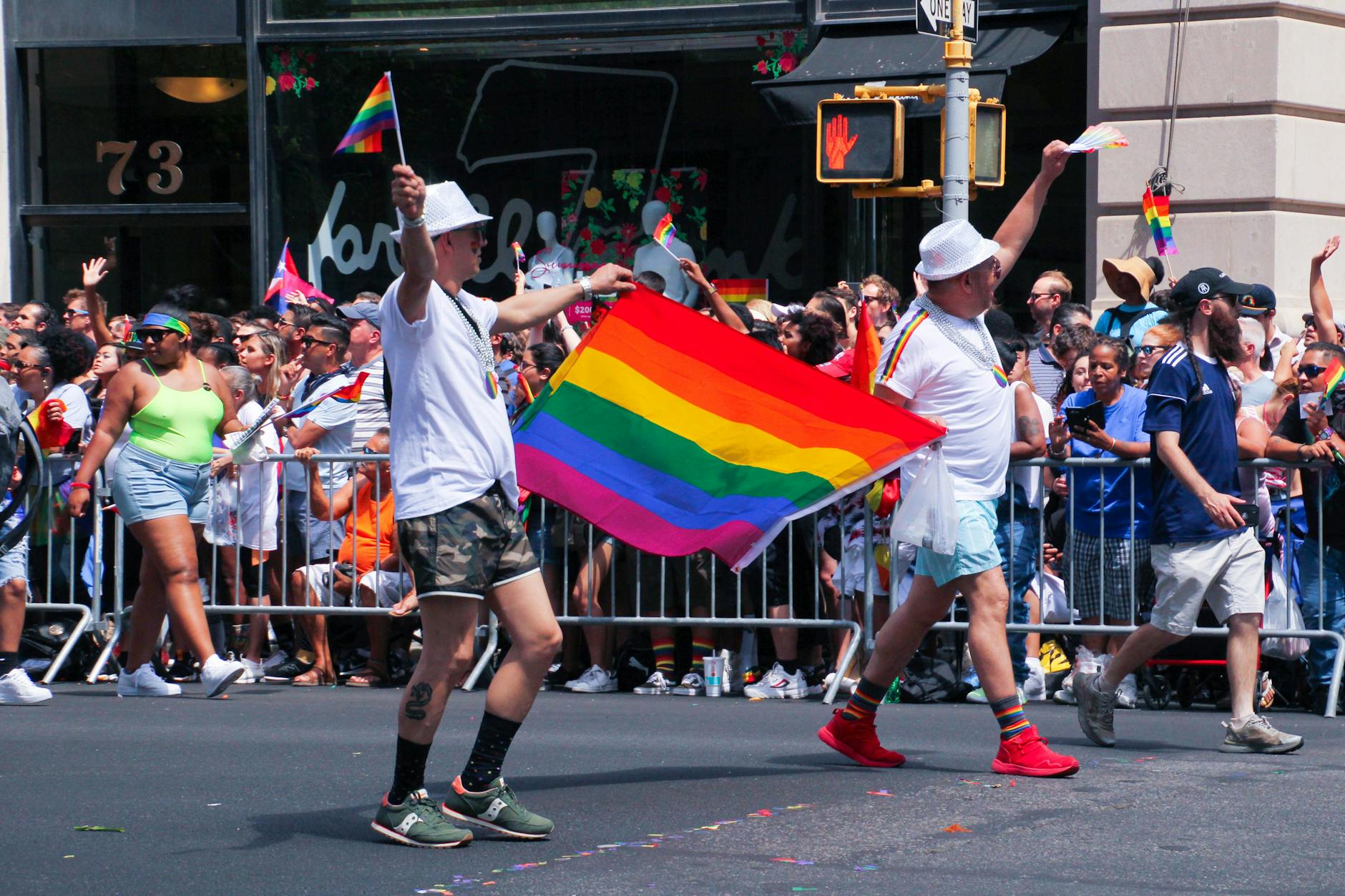
Madrid Pride is one of the largest LGBTQ+ celebrations in the world, regularly drawing over two million participants. The festival runs for approximately ten days, with the main parade taking place on the first Saturday of July. The parade route follows Paseo del Prado from Atocha to Colón, with elaborate floats, music, and joyful celebration.
But Pride is far more than a single parade. The Chueca neighborhood — Madrid’s LGBTQ+ quarter — becomes a non-stop festival zone with stages at Plaza de Chueca and Plaza del Rey hosting concerts, DJ sets, and performances from afternoon until dawn. Madrid has held Pride celebrations since 1979, and the event has grown into a major cultural and economic force. The festival’s expansion in recent years has included programming throughout the city — from art exhibitions in major museums to film screenings and public debates on equality.
Practical tips: book accommodation well in advance, as hotels in central Madrid fill up fast during Pride week. The parade route gets extremely crowded — arrive early for a good spot. Many restaurants and bars in Chueca offer special Pride menus and events. The atmosphere is overwhelmingly positive, welcoming, and safe.
Veranos de la Villa — July to August
When the summer heat arrives and many locals flee the city, Madrid responds with Veranos de la Villa (Summers in the City) — a festival that has been running for over 40 years. The program fills July and August with concerts, theater, dance, cinema, and circus performances, many held in outdoor venues across the city. The Conde Duque cultural center, various parks, and neighborhood plazas become open-air stages.
What makes Veranos de la Villa special is its eclecticism — world music, flamenco, contemporary dance, children’s theater, film screenings, and experimental performance all feature in the program. Many events are free or very affordable (€5–15), and the outdoor settings — surrounded by historic architecture or under canopies of trees — make summer evenings in Madrid genuinely magical. Check the program at madrid.es for specific dates and venues.
September – October: Cultural Autumn
La Noche en Blanco (White Night) — September
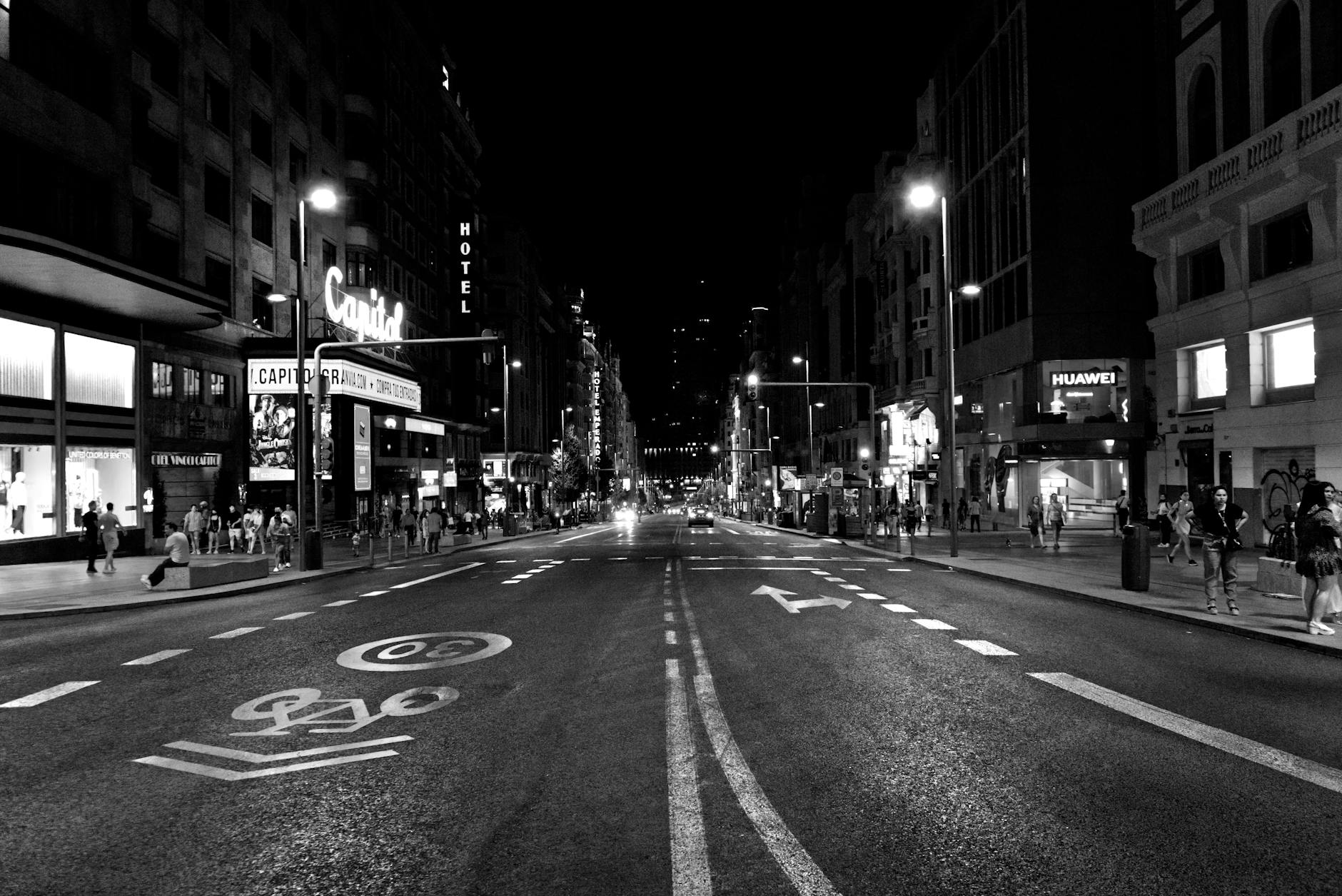
Inspired by Paris’s Nuit Blanche, Madrid’s Noche en Blanco opens museums, galleries, and cultural spaces for one extraordinary all-night cultural marathon. From sunset to sunrise, over 100 venues across the city offer free admission and special programming — art installations in unexpected places, live performances in public squares, guided tours through normally closed buildings, and interactive experiences that transform the city into a nocturnal gallery.
The event typically takes place on a Saturday in late September, and the atmosphere is electric — families, couples, and groups of friends move from venue to venue through the illuminated streets. Past editions have featured projections on major buildings, dance performances in metro stations, live music in courtyards, and art installations in parks. The Metro runs all night during Noche en Blanco, and the entire city takes on a festive, dreamlike quality.
Festival de Otoño (Autumn Festival) — October to November
Madrid’s autumn cultural season kicks off with the Festival de Otoño, a performing arts festival featuring international and Spanish theater, contemporary dance, and experimental performance. Venues across the city — from traditional theaters to warehouses and industrial spaces — host productions that push creative boundaries. The festival is a magnet for avant-garde performance art and has premiered works that have gone on to international acclaim.
November – December: Holiday Season
Christmas in Madrid — Late November to January 6
Madrid’s Christmas season begins in late November when the spectacular light displays are switched on along Gran Vía, Calle de Alcalá, and throughout the city center. The Gran Vía Christmas lights are an event in themselves — each year features a different design, and tens of thousands of people come to walk beneath the illuminations on the opening night.
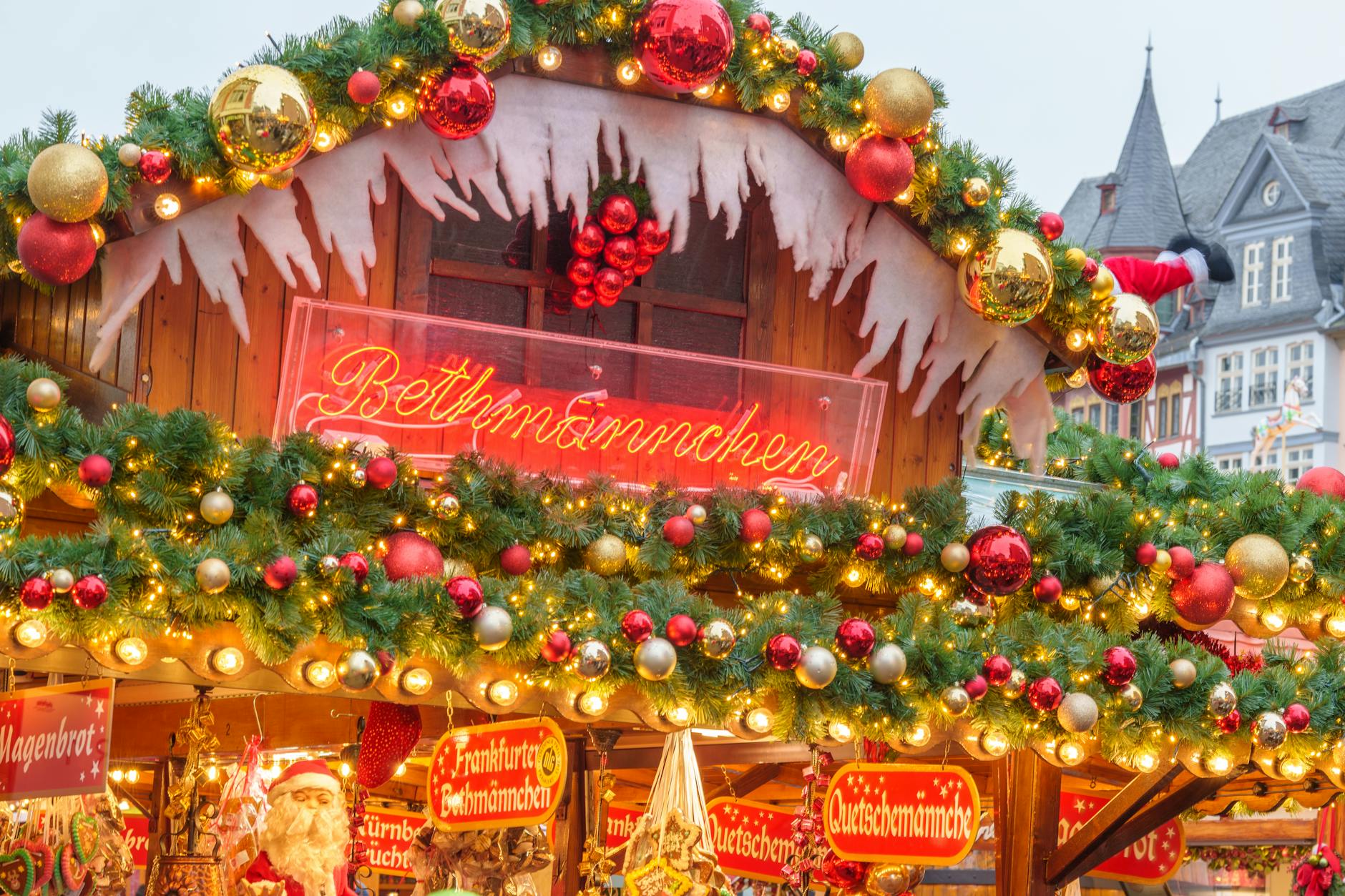
The Plaza Mayor Christmas Market — running since 1860 — fills the square with over 100 wooden stalls selling nativity figures (belenes), decorations, costumes, and seasonal treats. While it has become somewhat commercial, the setting in the historic square is genuinely atmospheric. Other Christmas markets around the city — at Plaza de España, Matadero, and neighborhood plazas — offer more artisanal options.
Madrid’s belén (nativity scene) tradition is a highlight of the season. Elaborate nativity displays appear in churches, public buildings, and dedicated exhibitions. The most spectacular is usually at the Royal Palace or CentroCentro (Palacio de Cibeles). Spanish nativity scenes are often astonishingly detailed, with miniature villages, working fountains, and landscapes that extend far beyond the traditional manger scene.
Cortylandia — a massive animated Christmas display on Calle de Preciados — has been a Madrid institution since 1979, drawing crowds of families for its singing, dancing mechanical figures. The display typically launches in late November and runs through early January.
Nochevieja (New Year’s Eve) — December 31
The most iconic New Year’s Eve tradition in Spain takes place at Puerta del Sol. As the clock strikes midnight, Madrileños eat twelve grapes — one with each of the twelve bell chimes — a tradition believed to bring good luck for each month of the coming year. Tens of thousands gather in the square to share this moment, with the event broadcast live on national television.
Arriving at Sol by 8:00 PM is recommended for a good position, and many people bring their own grapes (peeled and seeded in advance for speed). After the grapes, the celebration continues with cava (Spanish sparkling wine) and dancing. Madrid’s New Year’s Eve parties at clubs and venues run until dawn, and many restaurants offer special Nochevieja dinner menus (cotillón) that include the twelve grapes, dinner, entertainment, and drinks — typically ranging from €80 to €200+ per person.
Year-Round Events and Regular Happenings
Mercado de Motores — Second Weekend of Each Month
Held in the former Railway Museum (Museo del Ferrocarril), this monthly market combines vintage shopping, food trucks, live music, and craft vendors in a spectacular industrial setting surrounded by historic locomotives. Entry is free, and the atmosphere is festive and family-friendly. It runs from 11:00 AM to 10:00 PM on both Saturday and Sunday.
El Rastro — Every Sunday Morning
While not technically a festival, Madrid’s legendary Sunday flea market in La Latina is a weekly ritual that draws tens of thousands. Running since at least the 15th century, El Rastro fills the streets from La Latina metro to Ronda de Toledo with stalls selling antiques, clothing, art, curiosities, and everything in between. The experience extends beyond shopping — the surrounding bars and restaurants fill with post-market crowds enjoying cañas and tapas.
First Thursdays Gallery Night
On the first Thursday of each month, Madrid’s art galleries open their doors for evening events, often with wine, the artists present, and a festive atmosphere. The Salamanca neighborhood galleries along Calle de Claudio Coello and the Malasaña/Chueca independent galleries both participate, offering a free cultural evening that connects visitors with Madrid’s contemporary art scene.
Planning Your Visit Around Madrid’s Festivals
Timing your Madrid visit to coincide with a major festival can transform a great trip into an unforgettable one. Here are key planning considerations:
Book early: Hotels fill fast during San Isidro, Pride, and Christmas. Book accommodation 2–3 months in advance for these periods. Prices typically increase 20–40% during major festivals.
Check official sources: Madrid’s official tourism website (esmadrid.com) publishes the most reliable festival dates and programs. Dates for moveable events (Carnival, Easter, some cultural festivals) change annually. The city’s cultural agenda at madrid.es/agenda provides comprehensive day-by-day listings.
Dress appropriately: San Isidro invites traditional chulapo/chulapa dress (you can rent costumes or buy accessories at shops in Sol). Pride is colorful and creative. Christmas markets call for warm layers. Summer festivals require sun protection and hydration.
Transportation: During major events like the Three Kings Parade, Pride, and New Year’s Eve, Madrid extends Metro hours and adjusts bus routes. Many central streets close to traffic during festivals. Check the EMT Madrid app for real-time public transport updates.
Safety: Madrid is safe during festivals, but large crowds attract pickpockets. Keep valuables secure, stay aware of your surroundings, and use hotel safes for passports and extra cash. Stay hydrated during summer events — temperatures at outdoor festivals can exceed 35°C.
Music Festivals and Concerts
Mad Cool Festival — July
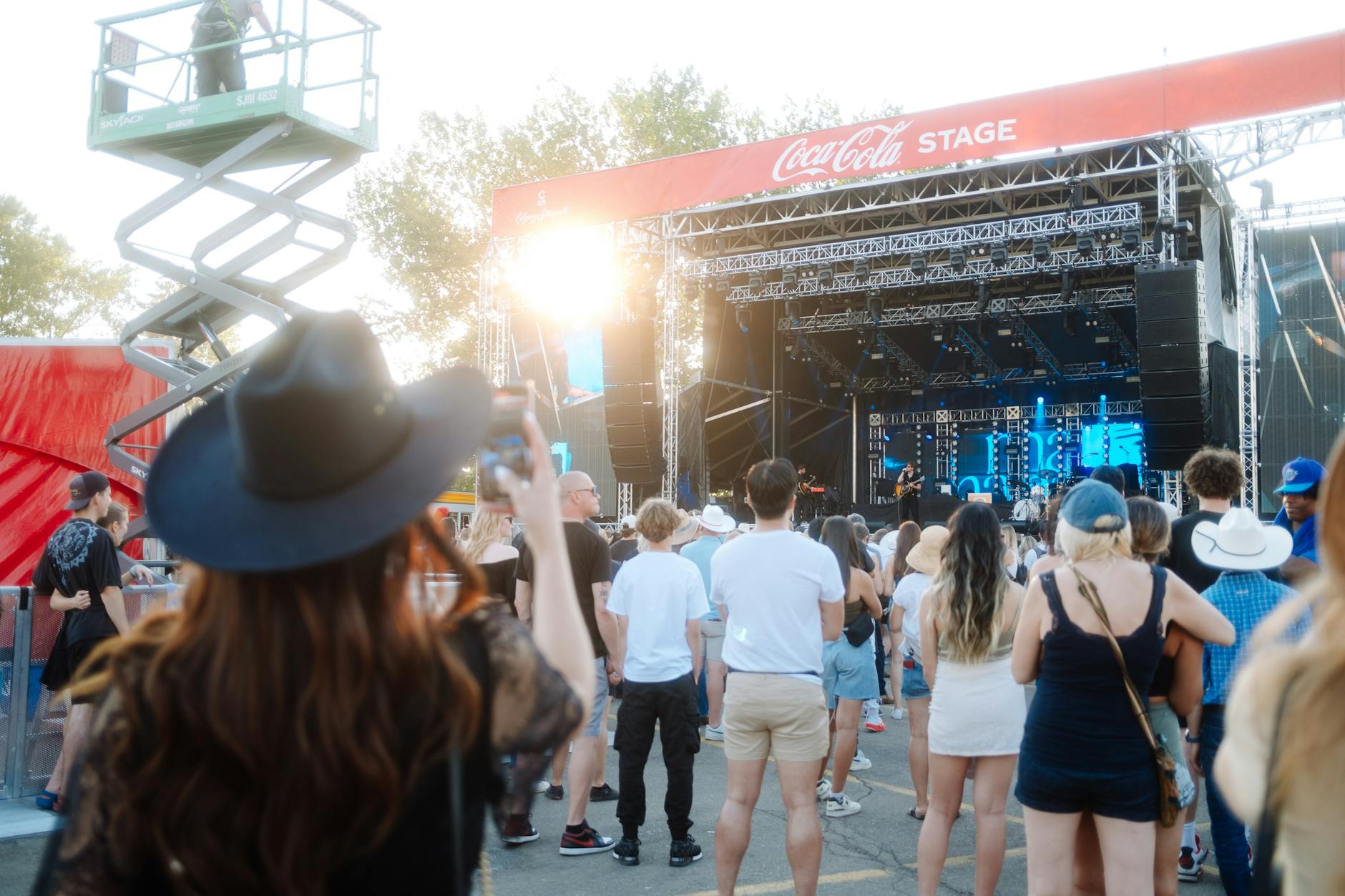
Mad Cool is Madrid’s premier international music festival, drawing over 80,000 attendees per day to the Valdebebas venue on the outskirts of the city. Since its launch in 2016, the festival has hosted headliners including Radiohead, The Killers, Foo Fighters, Pearl Jam, and Florence and the Machine. The festival typically runs over three or four days in early July, with multiple stages running simultaneously from late afternoon until the early hours of the morning.
Getting to Mad Cool is straightforward — festival shuttle buses run from Nuevos Ministerios, and special late-night transport ensures you can get back to the city center. Tickets typically go on sale in December for the following summer, with day passes around €75–90 and full-festival passes around €185–225. The festival village includes extensive food and drink options, though prices are predictably higher than in the city.
Noches del Botánico — June to August
For a more intimate summer concert experience, Noches del Botánico (Nights at the Botanical Garden) presents world-class artists in the gardens of the Complutense University. Past performers have included Diana Krall, Patti Smith, Herbie Hancock, and Norah Jones. The garden setting, with audiences seated under stars and surrounded by ancient trees, creates an atmosphere that larger festivals simply cannot match. Tickets typically range from €30–70 depending on the artist, and the venue’s relatively small capacity (approximately 4,000) means every seat has an excellent view.
Flamenco Festivals
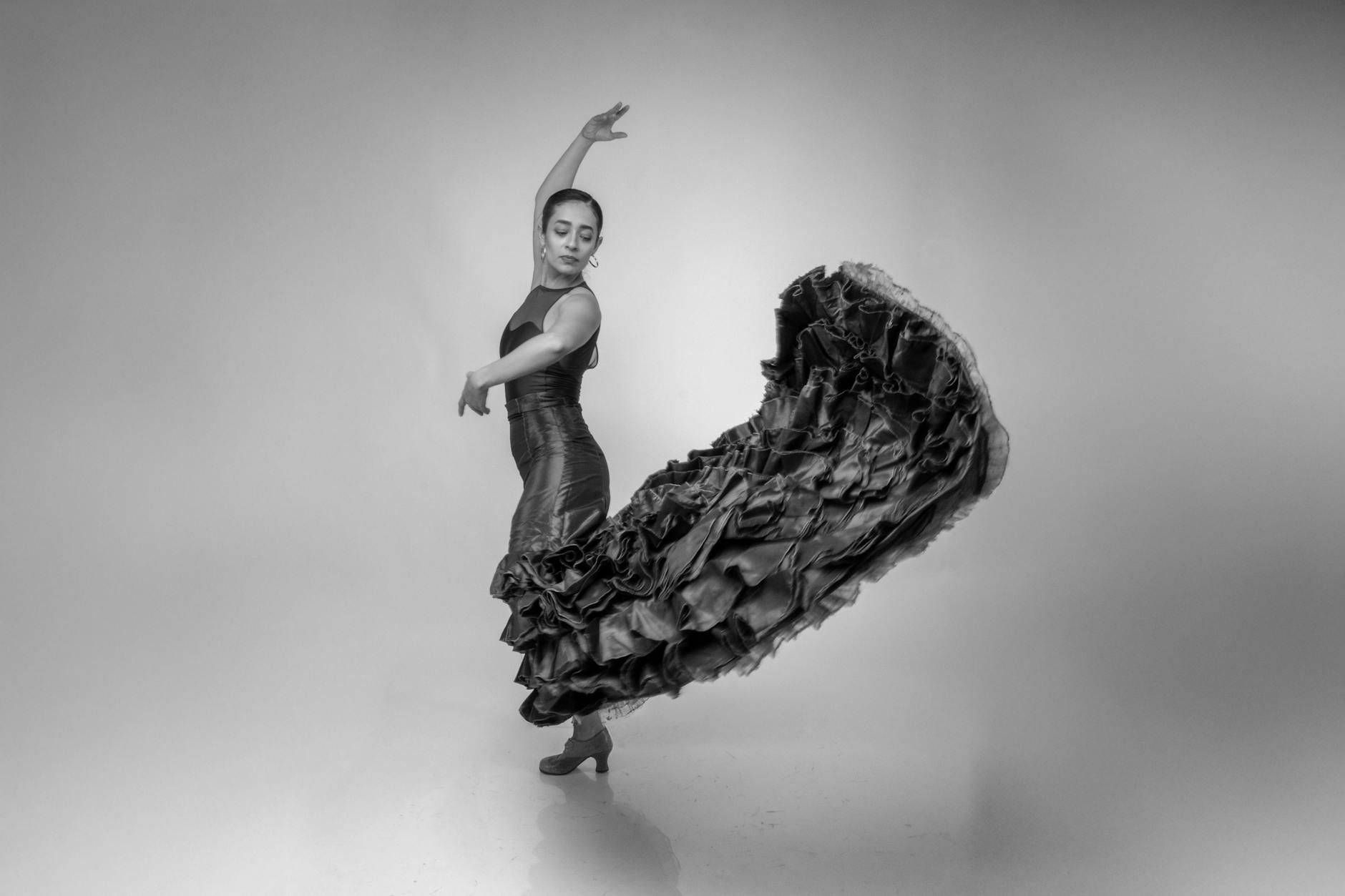
Flamenco is woven throughout Madrid’s cultural calendar. The Suma Flamenca festival (June) is the city’s most important dedicated flamenco event, presenting top artists in theaters and tablaos across the city over several weeks. The Festival Flamenco de Madrid (February) brings together emerging and established performers. Beyond festivals, Madrid’s tablaos — Corral de la Morería, Cardamomo, Casa Patas — offer nightly shows year-round, making authentic flamenco accessible regardless of when you visit.
Sports Events
Madrid Open (Mutua Madrid Open) — May
The Mutua Madrid Open is one of the tennis world’s most prestigious Masters 1000 tournaments, held at the Caja Mágica complex in the south of the city. Both the ATP and WTA tours visit simultaneously, meaning the world’s top male and female players compete over two weeks. Rafael Nadal and Carlos Alcaraz are perennial favorites with the Spanish crowd. The stadium complex, designed by Dominique Perrault with three retractable-roof courts, is itself an architectural attraction. Tickets range from €20 for early-round general admission to several hundred euros for finals seats in the main stadium.
Real Madrid at the Bernabéu
While not a festival per se, watching Real Madrid play at the Santiago Bernabéu is one of Madrid’s most electrifying experiences. La Liga matches run from August through May, and Champions League nights bring an extra level of intensity. The recently renovated Bernabéu — with its retractable roof, 360-degree video screen, and futuristic design — has elevated the matchday experience significantly. Tickets for league matches start at around €40–60 for lesser opponents and can reach €200+ for El Clásico against Barcelona. Stadium tours are available year-round on non-matchdays.
Madrid Marathon — April
The Rock ‘n’ Roll Madrid Marathon takes place annually in late April, with over 35,000 runners completing the full marathon and half-marathon routes that wind past the city’s major landmarks — Retiro Park, the Prado, Puerta de Alcalá, Gran Vía, and the Royal Palace. Even non-runners enjoy the festive atmosphere, with live bands positioned along the route and spectator-friendly viewpoints throughout the city. Registration opens approximately six months in advance.
Neighborhood Fiestas
Beyond the major city-wide events, each Madrid neighborhood celebrates its own patron saint festival, usually lasting several days and featuring live music, food stalls, neighborhood competitions, and a communal atmosphere that welcomes visitors. Some of the most notable neighborhood festivals include:
Fiestas de la Paloma (August 15): La Latina’s biggest celebration honors the Virgen de la Paloma. The neighborhood fills with traditional chulapo-dressed revelers, outdoor stages, and tapas stalls. The verbena (neighborhood party) atmosphere is authentic and intensely local — this is where you will see Madrileños at their most festive and welcoming. Dancing in the streets continues until dawn.
Fiestas del Carmen (July 16): Chamberí’s neighborhood festival takes over the streets around the Mercado de Vallehermoso with concerts, children’s activities, and the traditional procession of the Virgin del Carmen. The festival has a family-friendly, residential atmosphere quite different from the tourist-heavy city-center events.
Fiestas de San Cayetano, San Lorenzo, and La Paloma (August 1–15): Known collectively as the “Fiestas de Agosto,” these three overlapping festivals in Lavapiés, Embajadores, and La Latina create two weeks of continuous celebration in Madrid’s most traditional neighborhoods. The combination of religious processions, neighborhood concerts, street food, and late-night verbenas makes early August one of the most culturally rich — and least touristy — times to experience authentic Madrid.
Food and Drink Festivals
Gastrofestival Madrid (February): Running alongside Madrid Fusión, this two-week festival turns the entire city into a culinary playground. Over 400 restaurants, bars, markets, and cultural venues participate, offering special menus, cooking workshops, food-art pairings, and gastronomic tours. It is an excellent time to sample Madrid’s restaurant scene at special prices.
Mercado de Diseño (Monthly): Held at Matadero Madrid on select weekends, this market combines independent designers, artisan food producers, and food trucks in the atmospheric former slaughterhouse setting. Entry is free, and the combination of shopping, eating, and live music makes it a relaxed weekend activity.
Tapas routes: Various neighborhoods organize tapas routes throughout the year, where participating bars offer special tapas paired with drinks for a set price (typically €2–3 per combination). Neighborhoods like La Latina, Lavapiés, Chamberí, and Malasaña all have their own tapas weeks — check local listings for dates.
Month-by-Month Quick Reference
January: Three Kings Parade (Jan 5), Madrid Fusión gastronomy summit, winter sales (rebajas) begin
February: ARCO contemporary art fair, Carnival, Gastrofestival, Madrid Fashion Week
March/April: Semana Santa (Holy Week), Madrid Marathon, Theatralia children’s theater festival
May: Fiestas de San Isidro (May 8–17), Madrid Open tennis, Dos de Mayo holiday (May 2), DocumentaMadrid film festival
June: Suma Flamenca, Madrid Pride begins, Noches del Botánico concerts, PhotoEspaña
July: Madrid Pride parade, Mad Cool Festival, Veranos de la Villa begins, Fiestas del Carmen
August: Veranos de la Villa continues, Fiestas de Agosto (La Paloma, San Cayetano, San Lorenzo), local neighborhood fiestas
September: La Noche en Blanco, cultural season reopens, Festival de Otoño begins
October: Festival de Otoño, Festival de Jazz, gallery openings season
November: Madrid Christmas lights switch-on, autumn cultural programming, early Christmas markets
December: Plaza Mayor Christmas Market, Cortylandia, Nochevieja at Puerta del Sol (Dec 31)
Madrid’s festival calendar reflects a city that celebrates everything — its patron saint and its LGBTQ+ community, its Catholic heritage and its contemporary art, its bullfighting tradition and its gastronomy, its ancient rituals and its modern creativity. Whatever time of year you visit, there will be something happening that reveals a different facet of this endlessly surprising capital.
Leave a Reply